
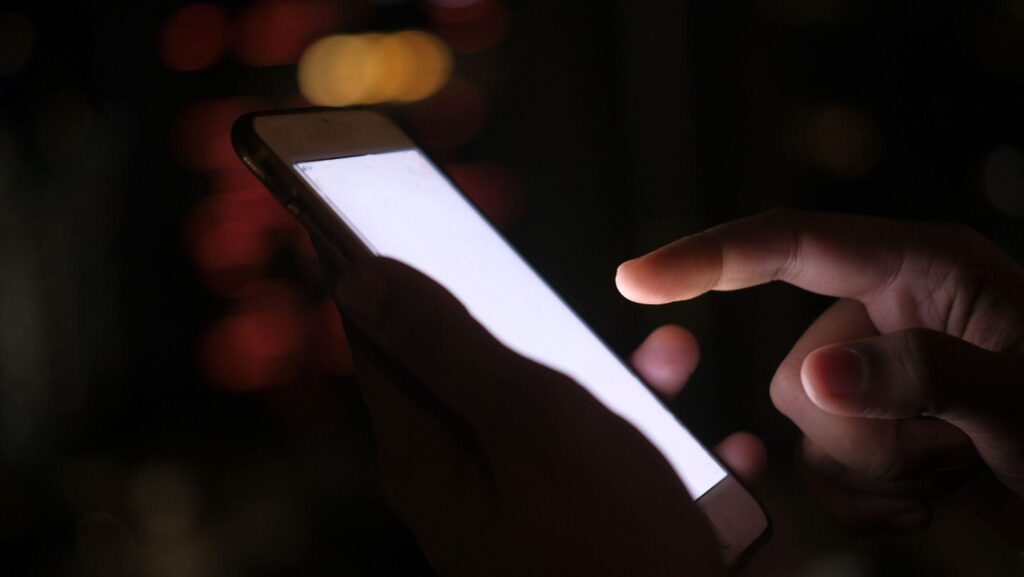
The lights go off, the day is technically done, and the phone comes out anyway. Late-night scrolling has turned into one of the most common habits around, sitting between the last task of the day and actually falling asleep. It rarely feels like a decision. It just happens, night after night, for a huge number of people.
The Last Hour Before Sleep Rarely Stays Quiet
Bedtime used to mean lights off and nothing else. That has changed for a lot of people, with the last hour of the day now filled with some kind of screen activity instead of actual rest. A site like Reels On Casino fits into that same late-night category as checking a feed or replying to a last message, something quick that fills a few minutes without asking for much focus.
Surveys on bedtime habits consistently find that most smartphone owners check their phone within five minutes of lying down, and a large share admit to losing track of time once they start. The habit rarely announces itself as a big time commitment going in, which is part of why it stretches out so easily.
Blue Light Gets Blamed, but Habit Plays a Bigger Role
Screen brightness and blue light often take the blame for poor sleep, but the habit itself matters just as much. Reaching for a phone out of routine, rather than actual need, keeps people scrolling well past the point where they meant to put it down. Sleep researchers have noted that the mental stimulation from scrolling, not just the light, delays the point where the brain actually starts winding down.
Social Media Feeds Lead the Late-Night Lineup
Social apps remain the most common stop during late-night scrolling sessions. A quick check turns into fifteen or twenty minutes without much notice, partly because feeds are built to keep refreshing with something new every time, a design choice sometimes called infinite scroll.
- Short video feeds with endless scrolling
- Group chats catching up on missed messages
- News apps for a final check of the day
- Photo sharing apps for a quick browse
Each of these shares one trait: no natural stopping point. Unlike a TV episode that ends, a feed simply keeps loading, which is a big part of why sessions run longer than planned.
Sleep Experts Point to a Clear Pattern
Sleep researchers have long pointed out that screen use before bed tends to push sleep later, not just because of light exposure, but because scrolling itself keeps the brain more alert than winding down with a book or simply resting. Several sleep studies have linked heavier pre-bed phone use to both a longer time to fall asleep and lighter, more disrupted sleep once it starts. The habit stretches out the time it takes to actually fall asleep, even when someone feels tired going in.
How Late-Night Habits Break Down by Time Spent
Not everyone scrolls the same amount before sleep. The habit tends to fall into a few rough categories based on how long it usually runs.
|
Time Spent Scrolling |
Typical Activity |
Common Device |
Effect On Sleep Timing |
|
Under 10 minutes |
Quick message check |
Phone |
Minimal delay |
|
10-30 minutes |
Social feeds, news |
Phone |
Moderate delay |
|
30-60 minutes |
Mixed browsing, videos |
Phone or tablet |
Noticeable delay |
|
60+ minutes |
Extended browsing |
Phone |
Significant delay |
Longer sessions tend to push bedtime back by a real, measurable amount, even when the plan was to only check one thing quickly.
Trying to Cut Back Rarely Works on the First Attempt
A lot of people have tried leaving their phone in another room or setting a screen time limit, only to find themselves back on it within a few nights. Some sleep specialists recommend a simple swap instead of an outright ban, replacing the phone with a physical book or a podcast with a sleep timer, since removing the habit entirely tends to fail faster than replacing it with something else.
The Habit Persists Because It Fills a Real Gap
Late-night scrolling sticks around because it fills a gap that used to exist without much to fill it. Lying in the dark with nothing to do feels different than lying there with a phone close by. Whether that gap gets filled with messages, feeds, or a quick game, the pattern looks mostly the same across a huge range of people, repeating itself most nights regardless of how tired anyone actually feels.