
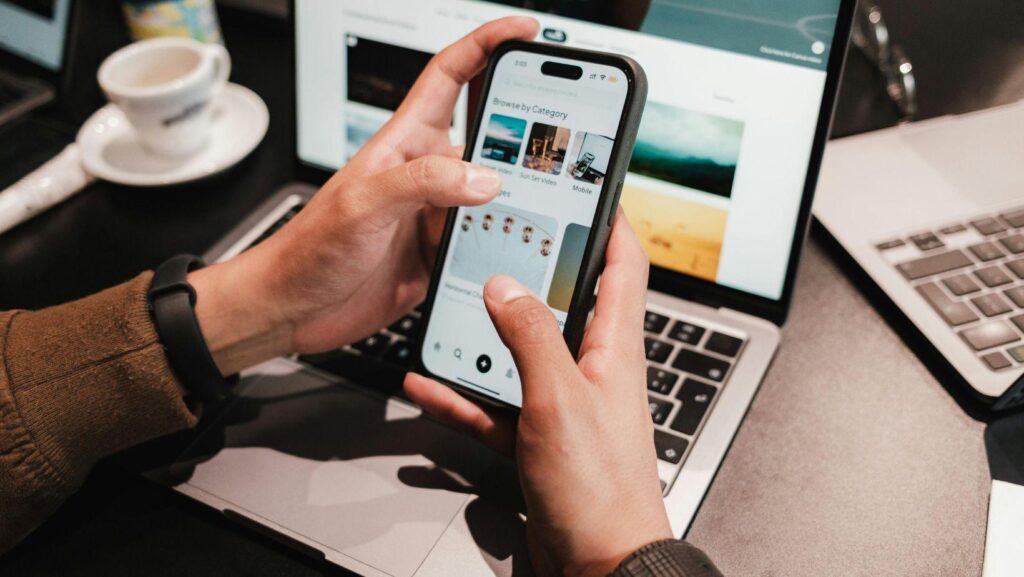
A phone used to be something people checked between tasks. Now it often feels like the task itself. The past several years have reshaped how much time goes into a phone each day, and what that time actually gets spent on. Here is a breakdown of the biggest shifts.
Screen Time Climbed and Stayed High
Average daily screen time jumped sharply during 2020 and 2021, driven by more time at home and fewer places to be. What stands out is that usage never dropped back down once life opened back up. A lot of habits picked up during that period, including quick check-ins on sites like Dreamz during short breaks, simply stuck around once they became part of the daily routine.
Daily Unlocks Increased Alongside Screen Time
The number of times people unlock their phone each day has climbed steadily, partly driven by a rise in notification volume. More apps competing for attention means more small interruptions spread across the day.
Work and Personal Use Now Blend Together
The line between checking a phone for work and checking it for personal reasons has mostly disappeared. A single unlock can lead to an email, then a message from a friend, then a quick scroll, all within a minute or two.
Short-Form Video Became the Default Filler
Short video apps grew faster than almost any other category over the past few years, becoming the default way a lot of people fill small gaps between tasks rather than reaching for a longer show or article.
Banking Moved Almost Entirely onto Phones
Physical bank branches see far less foot traffic than they used to, with most everyday banking tasks, transfers, deposits, balance checks, now handled through an app instead.
Shopping Shifted from Browsers to Apps
Retailers report a steady shift of purchases from desktop browsers to dedicated shopping apps, which tend to load faster and remember payment details, cutting down the steps needed to complete an order.
Younger Users Show the Widest App Variety
Screen time increases have not been even across age groups. Younger users tend to show the highest daily averages and the widest range of app categories in regular use during a single sitting.
Notifications Get Muted More Selectively
Rather than turning off notifications entirely, a lot of users now mute specific apps while keeping others active, a more selective habit than the all-or-nothing settings common a few years ago.
Phone-Free Blocks Have Become a Deliberate Habit
Scheduled phone-free time, meals, the first hour after waking, or an hour before bed, has grown as a response to rising screen time, treated as a deliberate reset rather than an accident of circumstance.
- Messaging apps for constant light communication
- Delivery and shopping apps replacing errands
- Quick browsing apps for filling small gaps
- Short-form video for low-effort entertainment
These categories often get used back to back within the same few minutes, rather than one dominating a whole session the way a single app might have a few years ago.
How Daily Phone Habits Have Shifted over Time
|
Year |
Average Daily Screen Time |
Common Peak Usage Time |
Dominant App Category |
|
2019 |
Under 3.5 hours |
Evening |
Social media |
|
2021 |
Over 4.5 hours |
Throughout the day |
Video and messaging |
|
2023 |
Around 5 hours |
Morning and evening |
Short-form video |
|
2025 |
Still above 5 hours |
Throughout the day |
Mixed, no clear leader |
The steady climb across these years suggests these habits settled in rather than fading once circumstances changed.
Phone Habits Settled into a New Normal
What started as a temporary shift in 2020 turned into a lasting change in how people use their phones day to day. Screen time leveled off higher than before, notification habits shifted, and small gaps throughout the day now almost always get filled with something on a screen. Five years on, this pattern shows few signs of reversing, and for most people, it barely registers as a change anymore.