
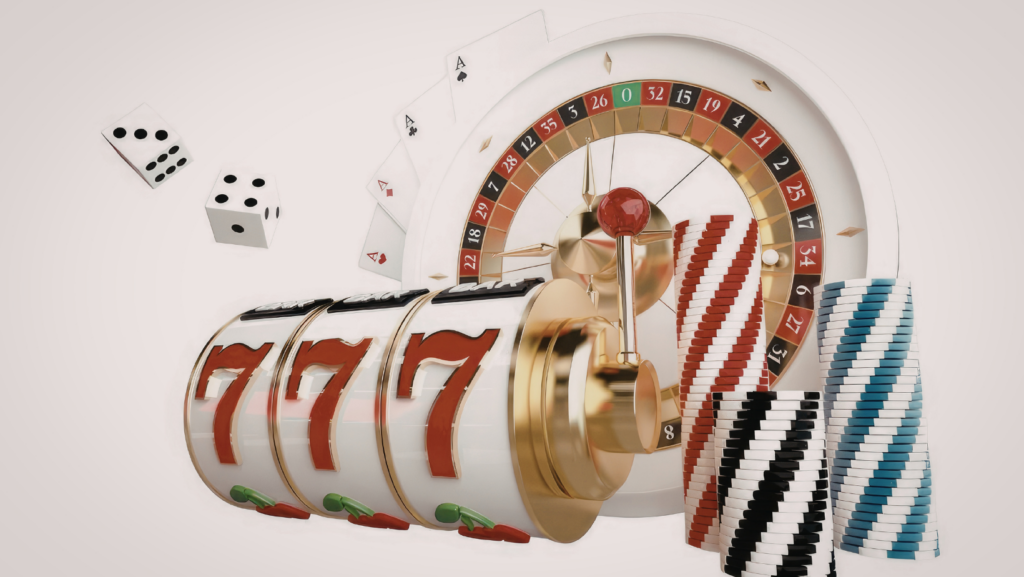
Modern betting movies do not live on cards and chips alone. What keeps them alive is the feeling around each choice. A room goes quiet. A face stays still. A hand moves too fast. Someone believes they have read the table, but they have really only read their own hope. That is where these films become interesting. They are not only about money. They are about pressure, pride, fear, and the strange way luck can make smart people look lost.
Older gambling films often leaned on style. They liked smoke, sharp suits, and cool lines. Many newer ones feel more raw. They show betting as a place where people misread others, misread themselves, and keep going long after calm sense has left the room. That shift has changed the mood of the genre. The drama now sits less in glamour and more in the human face under stress.
Luck now feels colder on screen
Luck in modern betting films is not shown as a warm friend. It feels hard, sudden, and often unfair. A person can plan well, count small details, and still watch the night turn against them in one cruel second. That is what gives these stories their bite. They remind viewers that betting scenes are not only about control. They are also about what happens when control slips.
This makes the films feel closer to real life. People do not always lose because they are foolish. Sometimes they lose because chance does not care who looked smartest in the room. That idea gives modern betting films a sadder edge. Luck becomes less of a magic door and more of a storm moving over people who thought they were ready for it.
Pressure changes every face
Pressure is the true engine of these stories. A player may enter a room looking calm, but the face changes once the stakes rise. The eyes tighten. The mouth goes dry. Speech becomes shorter. Even silence starts to say something. Good betting films understand that pressure is visual. It lives in the pause before a card turns over and in the shaky breath after a bad result.
That is also why bad reads matter so much. A character thinks another player is weak, then finds out too late that the table was lying to them. Or worse, the character thinks they are reading the room well, when in fact they are only hearing what they want to hear. These mistakes feel painful because they are human mistakes. Viewers know that feeling. People often confuse hope with insight. Modern betting movies use that truth again and again.
Bad reads carry more weight than bad luck
A bad read can hurt more than a bad hand. Luck may betray someone once, but a false read can ruin every choice that follows. That is what makes betting films so tense. The trouble is not always in the cards. It is often in the mind. A person starts trusting the wrong signals. They see confidence where there is panic. They see weakness where there is patience. One wrong guess becomes a chain of wrong moves.
This is where modern films feel sharpest. They understand that betting is often a story about reading people under strain. The room may be bright, but nobody sees clearly. Everyone is acting. Everyone is hiding something. Even the person who looks steady may be falling apart inside. That makes each scene feel unstable in a good way. Viewers are never fully sure who holds the real power.
Noise style and false confidence
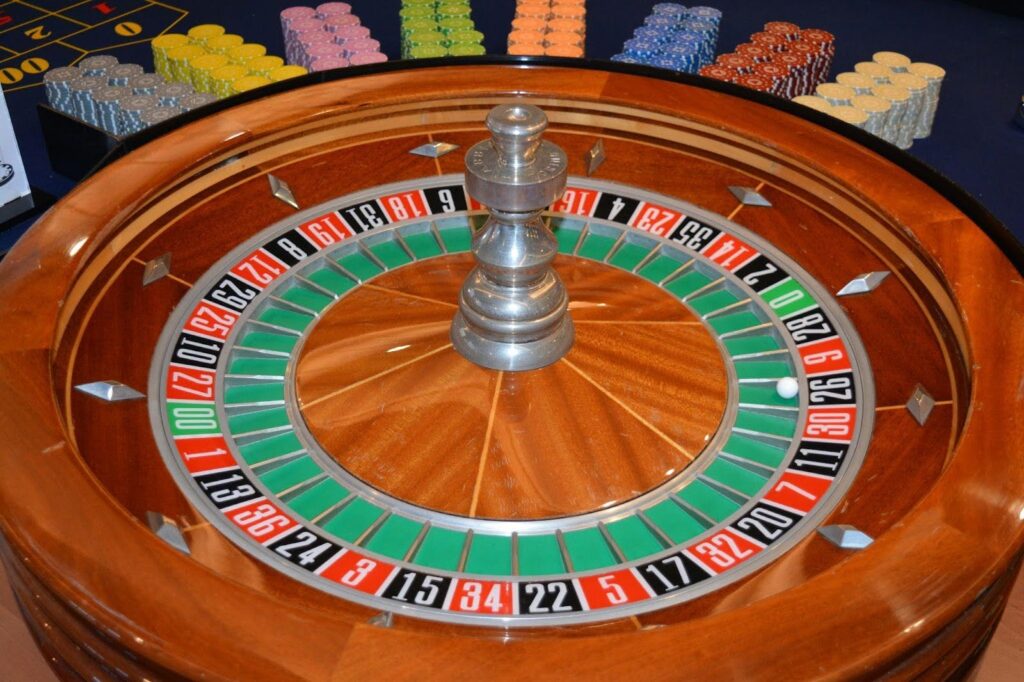
Modern films also like to show how noise can cloud judgment. A bright room, a loud crowd, fast speech, or one big early win can make a person feel stronger than they are. Confidence grows too fast, and then the read goes wrong. This is one reason these stories work so well today. They match a wider world where people are often pushed to act fast and trust first instincts.
That same mood can stretch beyond film tables into the wider betting image people know from apps, ads, and online talk. A name such as TonyBet may sit in the modern betting world, but cinema often strips away the easy shine and looks instead at the person behind the choice. The question is not who has the nicer screen or smoother line. The question is who stays clear when pressure starts to bend the mind.
What these films are really saying
Modern betting movies may look like stories about money, but many of them are really stories about self control. They ask what happens when a person keeps pushing after the signs have changed. They ask how long pride can pretend to be skill. They ask what kind of truth comes out when luck disappears and all that remains is character.
These films are also careful with silence. They know that one look across a table can say more than a page of talk. A dropped gaze can mean fear. A still face can hide panic. A half smile can be a trap. Betting films work best when they trust these small moments. That is where the human side shows.